A Step-by-Step Guide to Importing Brazilian Meat Products
Brazil is one of the world’s largest and most trusted exporters of both poultry and pork, supplying high-quality meat to over 150 countries. If you’re a wholesaler, distributor, restaurant chain, or institutional buyer, sourcing meat from Brazil offers competitive pricing, regulatory compliance, and product consistency. But before diving in, it’s crucial to understand the import process from start to finish. This comprehensive guide walks you through each stage—from initial inquiry to receiving your shipment—ensuring a seamless and compliant buying experience.
Step 1: Identifying the Right Product and Supplier
Your first task is selecting the right meat product that fits your market. Brazil offers a wide range of export-ready meat options:
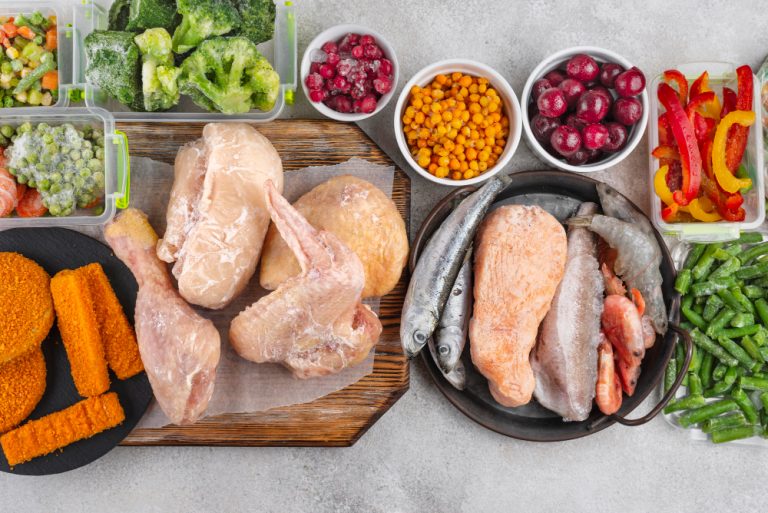
- Chicken: whole frozen chickens, breast fillets, wings, drumsticks, MDM (mechanically deboned meat)
- Pork: boneless loins, bone-in legs, bellies, ribs, trimmings, and offals
At BrazilianChickenandPorkExport.com, we connect you directly with MAPA-certified processors who supply Halal-certified and non-Halal meat, depending on your target country and customer base. Our team ensures each supplier is registered with the required global import authorities such as GACC (China), TRACES (EU), and others.
Step 2: Understanding Import Requirements of Your Country
Each destination country has its own import regulations based on health, safety, and trade laws. Common requirements include:
- Veterinary Health Certificate
- Certificate of Origin
- Temperature log during transit
- Residue and microbiological testing
- Customs tariff codes (HS Codes)
For example:
- The EU requires conformity to strict residue limits and complete traceability.
- China demands pre-registration and cold chain management.
- Gulf countries typically restrict pork and require Halal certification for chicken.
We provide country-specific compliance guidance to all our clients to reduce the risk of clearance issues at port.
Step 3: Requesting a Quotation and Product Specification
Once your product and destination are confirmed, we’ll provide:
- Product specifications sheet (cut, weight range, packaging)
- Quotation in CIF, FOB, or CFR terms
- Estimated shipping and delivery timeline
You can choose from various packaging options such as:
- Bulk carton (poly-lined)
- Vacuum-sealed
- Individually Quick Frozen (IQF)
- Private label packaging (for large buyers)
Step 4: Contracting and Payment Terms
To finalize the order, a sales contract is issued, detailing:
- Quantity and product specifications
- Shipment terms (Incoterms)
- Port of loading and discharge
- Payment terms (typically 30% TT advance, 70% against BL and documents or via LC)
Our company offers flexible payment options, and for repeat clients, we may facilitate staggered payments or credit terms through international trade insurance.
Step 5: Export Documentation and Health Certification
Once production begins, we manage the preparation of all export documents:
- MAPA-issued Veterinary Health Certificate
- Certificate of Origin
- Commercial Invoice & Packing List
- Bill of Lading (BL)
- Halal Certificate (if required)
These documents are essential for port clearance, customs, and food safety inspections in your destination country.
Step 6: Shipping and Cold Chain Logistics
All meat exports from Brazil are shipped in temperature-controlled containers (-18°C). We handle the cold chain logistics end-to-end, including:
- Loading supervision at the plant
- Pre-shipment inspection (SGS, Intertek, or Bureau Veritas upon request)
- Ocean freight booking with reliable carriers
- Real-time tracking and seal number documentation
Transit times typically range:
- Europe: 15–25 days
- Asia: 25–35 days
- Middle East: 20–30 days
- Africa: 18–30 days
Step 7: Port Clearance and Delivery
Upon arrival, your customs broker or import agent will handle port clearance using the documents we’ve provided. Our team is also available to liaise with your agent in case of document verification, quarantine inspection, or random lab sampling.
Once cleared, the cargo can be picked up and delivered to your final warehouse or distribution center. For major clients, we also offer support with inland logistics coordination from port to cold storage or processing plants.
Why Importers Choose BrazilianChickenandPorkExport.com
We are more than just a B2B connector—we offer a full-service export solution with:
- Direct sourcing from certified Brazilian suppliers
- Legal compliance support across over 50 countries
- Transparent pricing and flexible logistics
- Post-sale support and reordering assistance
Our goal is to simplify the sourcing process for meat importers and build long-term, reliable trade relationships.
FAQs
1. What is the minimum order quantity (MOQ)?
One full container is the industry standard (approximately 24–27 metric tons), but we can sometimes accommodate mixed or LCL (less-than-container load) shipments for select destinations.
2. Can I visit the production plant before placing an order?
Yes. We can arrange plant visits or virtual audits for serious buyers. In-person inspection by third-party agencies is also possible.
3. Do you offer private-label packaging for chicken or pork?
Absolutely. For clients with regular orders, we provide custom-branded packaging and barcoding.
4. Can you ship to multiple ports in the same country?
Yes. Split shipments can be arranged if port fees and logistics make it viable.
5. What happens if my shipment is delayed at port?
Our logistics team monitors all shipments and works with local customs brokers to minimize delays. We also provide legal and documentation support if needed.